Why More Men Are Visiting a TRT Clinic in La Jolla
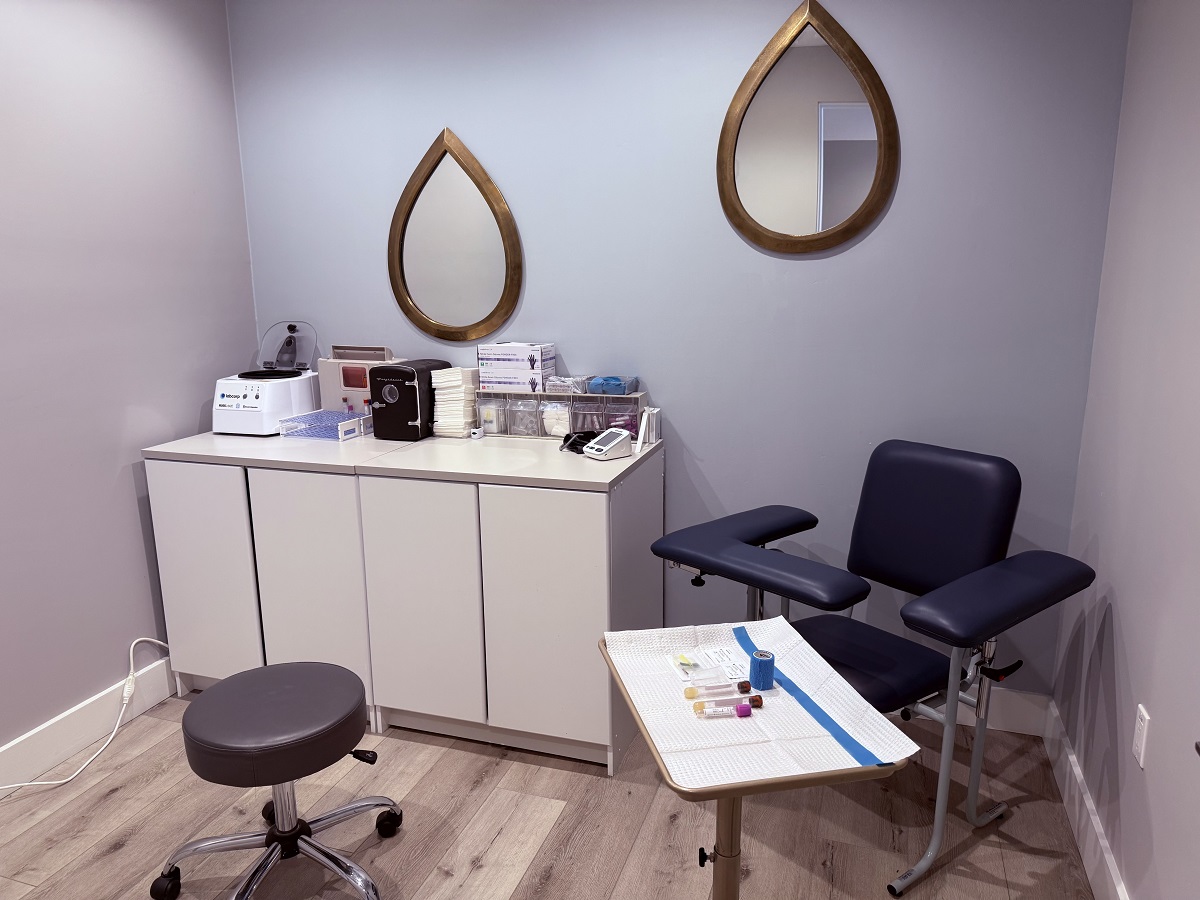
Men rarely wake up one morning and decide, out of nowhere, to look into testosterone replacement therapy. More often, the process starts quietly. Energy drops off. Recovery after a workout takes longer than it used to. Focus gets patchy in the middle of the afternoon. Sleep becomes lighter, yet mornings feel heavier. Libido changes. Mood flattens. A man who has always felt steady in his own body begins to notice that something is off, even if he cannot name it right away.
That slow realization explains a lot about why more men are seeking care at a trt clinic La Jolla. The interest is not driven by vanity alone, and it is not limited to older men. What is happening instead is a broader shift in how men think about performance, health span, and quality of life. They are paying closer attention to symptoms that might once have been dismissed as stress, burnout, aging, or a busy season at work.
La Jolla is a useful place to examine this trend because it sits at the intersection of health awareness, active lifestyles, and access to specialized care. Men here tend to be highly engaged with exercise, career demands, appearance, and long-term wellness. When they feel a decline, they often want a clear answer. They also want more than a quick prescription. They want lab work, interpretation, and a treatment plan that accounts for the whole picture.
The shift from “just getting older” to asking better questions
For years, many men were told some version of the same story. If your energy is lower at 42 than it was at 28, that is normal. If your waistline changes despite eating reasonably well, that is normal. If your sex drive dips, your sleep suffers, or your motivation fades, that is just part of life. Sometimes that explanation is partly true. Aging does change hormone levels over time. Stress, poor sleep, alcohol, excess body fat, and certain medications can all affect testosterone as well.
The problem is that “normal” does not always mean “healthy” or “optimal.” A man can function, go to work, pay bills, and still feel unlike himself. That gap matters. It affects relationships, productivity, consistency in the gym, and mental sharpness. It can even affect how engaged someone feels with his own life.
More men are recognizing that persistent symptoms deserve an evaluation, not a shrug. They are learning that testosterone is only one part of the picture, but it is an important one. A competent clinic does not diagnose low testosterone based on a social media reel or a single vague complaint. It looks at symptom patterns, morning lab values, free and total testosterone, and often other markers such as estradiol, SHBG, thyroid function, CBC, metabolic health, and sometimes fertility considerations. That fuller approach is one reason men feel more comfortable booking an appointment.
Why La Jolla has become a magnet for this kind of care
Location matters more than people think. A neighborhood shapes the type of medicine that becomes prominent there. In La Jolla, the demand for specialized wellness and hormone care makes sense for a few reasons.
First, this is an area with a strong culture of personal health. Men who surf, lift, cycle, run, or work with trainers tend to notice changes in recovery and endurance quickly. They know their baseline. If a man who used to train four days a week now feels wiped out after two sessions, he notices. If his body composition shifts despite similar habits, he pays attention.
Second, La Jolla has a large population of professionals and business owners whose performance demands stay high well into their 40s, 50s, and 60s. These are men who do not necessarily want to “slow down” because of age. They want to maintain cognitive sharpness, resilience, and stamina. When something begins to slip, they are often willing to investigate it early.
Third, the area offers access to clinics that frame TRT as part of a more complete medical conversation. That matters because men are increasingly wary of one-size-fits-all medicine. They want a provider who will ask about sleep apnea risk, alcohol intake, fertility plans, blood pressure, body fat changes, resistance training, and stress load before discussing medication.
The symptoms that push men to schedule a visit
The most common trigger is not usually a dramatic event. It is a cluster of smaller changes that persist for months. A man may notice that he needs more caffeine just to feel normal. He may lose the drive to train hard, even though he still shows up. He may feel mentally slower in meetings, less patient at home, or less interested in sex than he has ever been. Individually, each symptom can be explained away. Together, they raise a flag.
What often surprises men is how much low testosterone can overlap with other common problems. Poor sleep alone can tank energy, mood, and libido. High work stress can do the same. So can depression. So can being under-recovered from intense training. That is exactly why a good evaluation matters. It helps separate a hormonal issue from a lifestyle issue, or identify both when they are feeding each other.
In practice, many men who visit a trt clinic La Jolla are not looking for an excuse or a shortcut. They are looking for clarity. They want to know whether they are dealing with low testosterone, poor sleep, overtraining, high stress, insulin resistance, or some combination of all five.
Better awareness has reduced some of the old stigma
A decade or two ago, many men associated testosterone treatment with bodybuilders, aging celebrities, or dubious anti-aging marketing. That image has faded, at least partly. Men have become more informed, and so have their partners. They now understand that medically supervised TRT is not the same as steroid abuse, and that responsible treatment depends on proper dosing, regular labs, and symptom monitoring.
This shift in awareness has changed the first conversation. Men used to whisper about this topic, if they brought it up at all. Now it comes up more openly between friends at the gym, during golf rounds, or in discussions with primary care doctors and urologists. A man who sees a friend regain consistent energy, train more effectively, and improve his mood is naturally going to ask what changed.
That word-of-mouth effect is powerful, but it can cut both ways. Some men come in expecting TRT to solve everything because they know someone who had a great result. Others come in skeptical because they know someone who was overtreated, developed side effects, or never addressed the real issue, which might have been sleep apnea or chronic stress. The increase in clinic visits reflects both curiosity and caution.
Men are becoming more educated consumers of hormone care
One of the biggest changes in recent years is the type of questions men ask during an initial visit. They are not just asking, “Can you prescribe testosterone?” They are asking how dosing is determined, how often labs are repeated, what happens to fertility, whether treatment is long term, and how side effects are monitored.
Those are exactly the right questions. Testosterone therapy is not a casual decision. It can be appropriate and helpful for the right patient, but it should not be started lightly. Men are learning to distinguish between a clinic that simply sells a product and one that practices real medicine.
A careful clinic generally pays attention to at least these issues:
- Whether symptoms match the lab findings
- Whether labs were drawn correctly, usually in the morning and sometimes repeated
- Whether other causes of low testosterone have been considered
- Whether fertility matters now or may matter later
- Whether the patient understands the need for follow-up and monitoring
That sort of process appeals to men who want competence more than hype. In a place like La Jolla, where patients often do their homework, that distinction carries weight.
Why lifestyle alone is not always enough, but still matters
A common misconception is that every man considering TRT simply needs to sleep more, drink less, and lose 15 pounds. Sometimes that is true. Testosterone can improve when excess weight comes down, sleep improves, and stress is better managed. Men with poor sleep hygiene, frequent alcohol use, untreated sleep apnea, or inconsistent exercise may see a meaningful change from lifestyle intervention alone.
But that is not the whole story. Some men are already doing most things right. They train consistently, eat well, keep body fat in a healthy range, and still show clear symptoms with repeatedly low levels. Others make solid lifestyle improvements, only to find that the numbers and symptoms barely move. In those cases, telling them to “just try harder” is not useful medicine.
The best clinicians I have seen do not frame lifestyle and TRT as opposing paths. They treat lifestyle as foundational and hormone therapy as a tool when clearly indicated. That balance matters because TRT tends to work better when sleep, resistance training, protein intake, and cardiovascular health are also addressed. Medication can support a man, but it does not replace the basics.
The role of body composition and metabolic health
Another reason more men are seeking care is that they are connecting hormones with body composition in a more nuanced way. They have noticed that gaining fat seems easier than it used to be and losing it takes more effort. Again, this is not always about testosterone, but hormones can influence the picture.
Low testosterone is associated with reduced lean mass and can be linked with increased fat mass, especially around the abdomen. At the same time, carrying excess body fat can worsen hormonal balance. This creates a frustrating cycle. A man gains weight, his testosterone may decline, he loses motivation and recovery capacity, then training gets harder and the weight becomes even harder to lose.
That does not mean TRT is a weight-loss drug. It is not. But in the right patient, improving hormonal status can make it easier to preserve muscle, train more effectively, and sustain habits that support better body composition. This is one reason men who have “done everything right” without results become more willing to seek an evaluation.
Performance matters, even outside the gym
People often assume testosterone concerns are mostly about sex drive or muscle mass. Those are real concerns, but they are not the only ones. Many men visit a clinic because they do not feel as mentally sharp or emotionally steady as they once did. They may describe themselves as flat, detached, or less driven. They may still perform well on paper, but everything feels harder than it should.
This is especially relevant in high-demand environments. A man running a company, managing investments, practicing law, or working in medicine may notice even subtle declines in concentration or resilience. He may not be clinically impaired, but he no longer feels fully present. That kind of change is easy to dismiss until it starts affecting relationships or work quality.
At the same time, this is where good clinical judgment matters most. Cognitive and mood symptoms are not specific to low testosterone. They overlap with burnout, anxiety, depression, poor sleep, and other endocrine issues. A professional clinic should never reduce every emotional or mental complaint to one hormone.
The fertility question has become a major part of the conversation
This is one area where men are far better informed than they used to be. Many now understand that TRT can suppress the body’s own trt clinic La Jolla testosterone production and affect sperm production. For a man who wants children in the near future, that changes the conversation entirely.
A younger patient in his 30s may have legitimate low testosterone symptoms and still not be an ideal candidate for standard TRT if fertility is a priority. He may need a different evaluation or alternative strategies. A man in his late 40s who has completed his family may weigh the trade-offs very differently.
This is one of the clearest signs that the market is maturing. Men are not just asking how quickly they can feel better. They are asking what treatment means for six months, two years, and five years down the line. That longer view is healthy, and it is part of why specialized clinics are getting more attention.
What men often find at a quality clinic
The most respected clinics tend to provide something many standard appointments do not: time. Time to review symptoms in context. Time to look at lab work carefully. Time to discuss risks, benefits, and realistic expectations.
Most men are not expecting magic. They want honesty. They want to know that TRT may improve energy, libido, mood, recovery, and body composition in the right case, but that it may not transform every part of life. They also want to know what can go wrong, from acne and fluid retention to elevated hematocrit, fertility concerns, and the need for ongoing monitoring.
A practical first evaluation often covers the following:
- Symptom history, including sleep, libido, mood, training, and recovery
- Review of medications, alcohol use, body composition, and medical history
- Morning lab work, sometimes repeated to confirm a pattern
- Discussion of treatment options, including doing nothing for now
- A monitoring plan if therapy begins
That final point is where reputable care separates itself. Good hormone treatment is not a one-time transaction. It is a managed process.
Why convenience and discretion matter more than people admit
Men often delay care when the process feels awkward or fragmented. If getting evaluated means bouncing between providers, waiting months, and feeling dismissed in rushed appointments, many simply put it off. Specialized care in La Jolla can be appealing because it is easier to navigate and often more tailored to this specific issue.
Discretion matters too. Testosterone, sexual health, mood, and aging still carry emotional weight for a lot of men. Even confident patients may feel uneasy bringing these concerns into a general medical setting where there is little time and no clear expertise. A clinic that handles these conversations routinely can lower that barrier.
That does not mean specialized clinics are always better than a primary care physician, endocrinologist, or urologist. Many excellent doctors in traditional settings manage hypogonadism well. But the patient experience matters, and men often seek out the environment where they feel heard and where the subject is treated with appropriate seriousness.
Not every man who visits should start treatment
This point deserves emphasis because it protects patients from disappointment and harm. An increase in visits does not mean an increase in appropriate prescriptions for everyone who walks in. Some men need better sleep and less alcohol. Some need a sleep study. Some need resistance training instead of more cardio. Some need weight loss, thyroid treatment, better diabetes control, or stress management. Some need repeat labs because the first result was misleading.
A seasoned clinician knows when not to prescribe. In fact, one of the strongest trust signals in this space is a provider willing to say, “Not yet,” or “This is probably not your issue.” Men are increasingly drawn to clinics that exercise restraint, especially after hearing stories of friends who were rushed into treatment without enough evaluation.
The social factor is real, but it is not the whole story
There is no question that social influence plays a part. Men talk. They compare recovery, training output, body composition, and sexual health more than they used to. Podcasts and online content have made testosterone a mainstream topic. That visibility brings more patients through the door.
Still, social buzz alone does not sustain long-term demand. Men keep visiting a trt clinic La Jolla because many genuinely feel unwell and want a serious medical answer. They are not all chasing peak masculinity or trying to recapture their college years. Most are trying to function at a level that feels normal to them, to show up better at work, at home, and in their own bodies.
That distinction matters. It is the difference between trend-driven medicine and symptom-driven care. The first is fragile. The second reflects a real need.
What this trend says about men’s health more broadly
The rise in TRT consultations points to a larger cultural change. Men are getting slightly better at seeking help before things fall apart. They are more willing to say that low libido, chronic fatigue, declining motivation, or loss of vitality are not character flaws. They are health concerns worth evaluating.
That may be the most important change of all. Hormone care, when done well, is not just about testosterone. It becomes an entry point into deeper health questions: sleep quality, cardiovascular risk, alcohol use, metabolic health, strength, stress, and emotional well-being. Many men who come in asking about one lab value leave with a much broader understanding of what has been affecting them.
La Jolla is seeing more of these visits because it has the right mix of awareness, expectation, and access. Men here are less inclined to accept unexplained decline as inevitable, and they have options for investigating it. Some will turn out to be good candidates for treatment. Others will find different answers. Both outcomes can be valuable.
The growth in interest around TRT is not simply a story about hormones. It is a story about men paying attention earlier, asking better questions, and wanting care that matches the complexity of what they are feeling. For the right patient, at the right clinic, that can make a meaningful difference.
SDBody La Jolla
7710 Fay Ave, La Jolla, CA 92037
+1 858-401-2383
FAQ About trt clinic La Jolla
How much should my TRT cost?
TRT costs depend on the clinical evaluation, medication, laboratory testing, and follow-up plan. Ask for an itemized estimate that includes the initial visit and ongoing monitoring. SDBody La Jolla can explain its current fees after discussing the services being considered.
Will Insurance Pay for TRT in La Jolla?
Coverage depends on your plan, diagnosis, prescribed treatment, and provider network. Ask your insurer about medical necessity requirements, prior authorization, laboratory coverage, and out-of-pocket costs. Confirm SDBody La Jolla's billing arrangements directly; insurance payment is not guaranteed.
Is TRT safer than steroids?
Testosterone is itself an anabolic steroid. Clinician-prescribed replacement for confirmed testosterone deficiency differs from nonmedical steroid use, but it still carries risks and requires monitoring. Possible concerns include increased red blood cell levels and reduced sperm production. Discuss your medical history and fertility goals with a qualified clinician before considering treatment.