TRT Clinic La Jolla: A Local Resource for Men’s Hormone Health

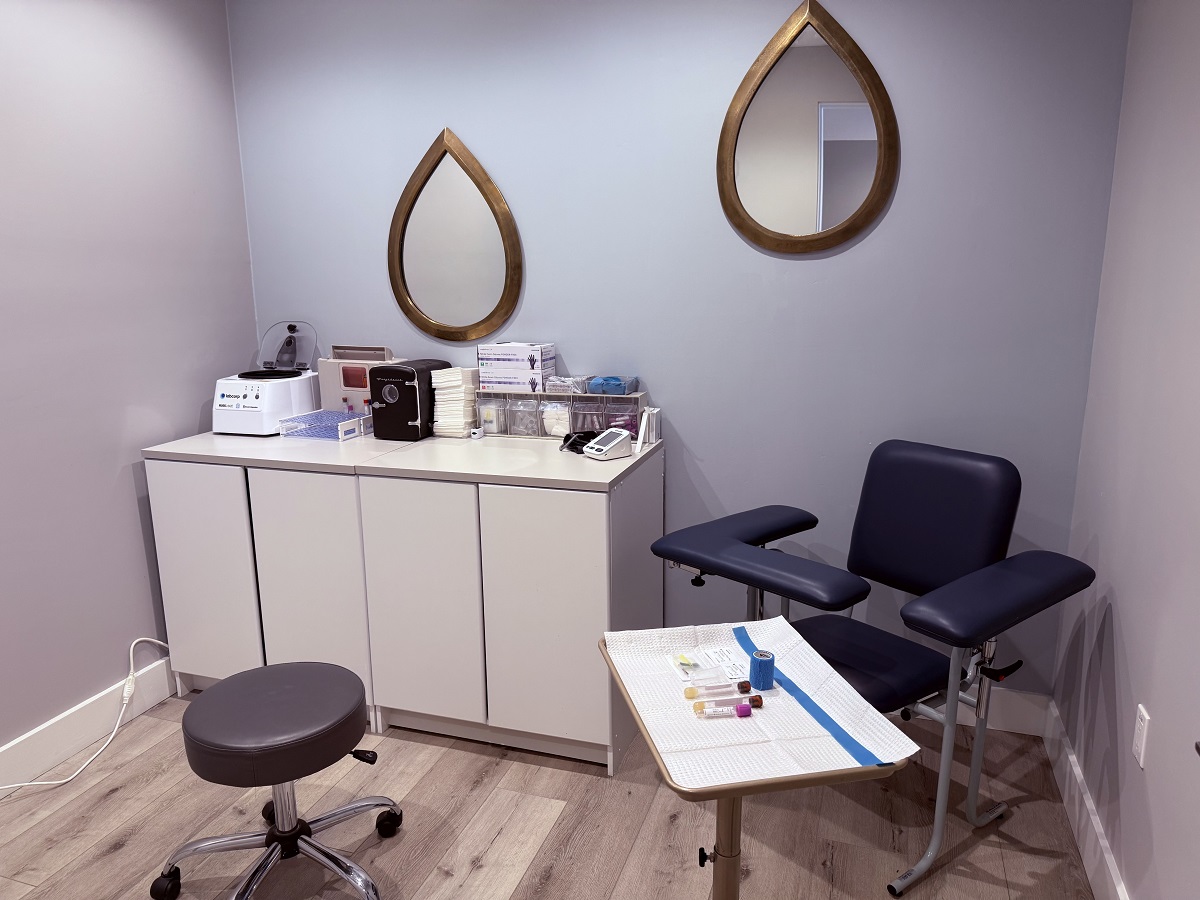
Men rarely walk into a clinic saying, “I think my hormones are off.” Most come in because something feels different and has for a while. Energy drops. Workouts stop producing the same result. Sleep gets lighter, patience gets shorter, libido fades, and a general sense of drive starts to flatten out. Some men chalk it up to age. Others assume it is stress, poor sleep, or a demanding schedule. Sometimes they are right. Sometimes low testosterone is part of the picture.
That is where a good TRT clinic La Jolla can be useful, not as a place that hands out a quick prescription, but as trt clinic La Jolla a medical setting that helps sort out what is actually going on. Testosterone replacement therapy can be life changing for the right patient. It can also be inappropriate, poorly managed, or oversold if the evaluation is shallow. The difference usually comes down to clinical judgment, careful testing, and steady follow-up.
La Jolla is a distinctive place to seek care because the patient population tends to be health-conscious, educated, and proactive. Men here often arrive with detailed questions. They may already be tracking sleep, body composition, training performance, and nutrition. Many have read enough online to be skeptical of one-size-fits-all claims, which is healthy. Hormone care deserves that level of scrutiny.
Why hormone symptoms deserve a closer look
Testosterone affects much more than sexual function. It plays a role in muscle mass, bone density, red blood cell production, mood regulation, cognitive sharpness, and metabolic health. When levels decline, the symptoms can be broad and frustratingly nonspecific. A man may notice afternoon crashes, stubborn abdominal fat, slower recovery from exercise, reduced motivation, or a sense that he is not quite himself.
The challenge is that none of those symptoms belong only to low testosterone. Poor sleep can do it. So can untreated sleep apnea, chronic stress, depression, overtraining, thyroid disease, excess alcohol, certain medications, and simple under-recovery from a packed lifestyle. In clinical practice, this is where many shortcuts happen. It is easy to hear “low energy” and “low libido” and jump straight to testosterone. A better clinic slows down and tests assumptions.
In a coastal community like La Jolla, where many men stay active into their 50s, 60s, and beyond, the gap between expected performance and current performance can feel especially sharp. A former cyclist who now needs two days to recover from a moderate ride may notice the change earlier than someone with a more sedentary baseline. That awareness can be valuable, but it should still lead to a full workup rather than a rushed answer.
What a strong TRT evaluation should include
A quality evaluation starts with symptoms, but it should never end there. Testosterone therapy is based on both how a patient feels and what the data show. A careful clinic will review medical history, medications, sleep habits, alcohol use, stress levels, body composition, fertility goals, and prior lab work if available. It will also pay attention to timing. Testosterone levels fluctuate, so morning blood draws are usually preferred, especially in younger and middle-aged men.
The lab side matters. Total testosterone is important, but by itself it does not tell the whole story. Free testosterone may add context, particularly when sex hormone-binding globulin is unusually high or low. Estradiol can be relevant. So can luteinizing hormone and follicle-stimulating hormone, which help distinguish primary from secondary causes of low testosterone. A complete blood count is standard because TRT can increase hematocrit in some men. Prostate-specific antigen may be appropriate depending on age, risk factors, and the clinician’s judgment. Thyroid markers, liver function, metabolic markers, and sometimes prolactin round out the picture.
This sort of workup may sound basic, but it is where good medicine lives. I have seen men who were certain they needed testosterone turn out to have severe sleep deprivation and untreated sleep apnea. After proper treatment, their energy and libido improved without TRT. I have also seen the reverse, men who spent two years trying supplements, ice baths, stricter macros, and elaborate morning routines when the simpler truth was clinically significant hypogonadism.
A TRT clinic La Jolla that takes diagnosis seriously will not promise a dramatic transformation after a five-minute intake. It will ask enough questions to rule out obvious detours.
The local value of specialized care
Primary care physicians can absolutely identify and manage low testosterone in some cases. Many do it well. But hormone care often works better in a setting where the staff deals with these patterns every day and has time to monitor the details. That is one reason men look for dedicated hormone clinics.
In La Jolla, convenience and access are part of the appeal, but specialization is the bigger draw. A clinic focused on men’s hormone health typically has established protocols for repeat labs, dose adjustments, symptom tracking, and side effect management. It is more likely to recognize when a patient’s fatigue is not lining up with the lab results, or when a rising hematocrit needs action before it becomes a bigger issue.
There is also a practical difference in how conversations unfold. Men seeking TRT often have questions that are hard to squeeze into a standard brief office visit. They want to know whether treatment will affect fertility, whether weekly injections are better than divided doses, whether topical gels transfer to partners or children, and whether they can stay on treatment long term. A clinic that handles these conversations often is usually better prepared to answer them in plain language.
Who may be a candidate, and who may not be
Not every man with a low-normal number is a candidate for TRT. Not every symptomatic man has a testosterone problem. The best decisions come from matching symptoms, repeated lab findings, and clinical context.
A common scenario is the man in his 40s or 50s who notices a steady decline over several years. He is sleeping reasonably well, still exercising, eating decently, and managing his stress as well as anyone can, yet he has persistent symptoms and repeatedly low testosterone on morning labs. That man may be a strong candidate.
Another scenario is less straightforward. A younger man in his 30s presents with fatigue, low motivation, and borderline labs after months of poor sleep, heavy work stress, and weight gain. He may improve substantially with lifestyle correction, treatment of sleep apnea if present, or management of another underlying issue. Starting TRT too early in that case can create a lifelong treatment path before simpler causes have been addressed.
Fertility is one of the biggest decision points. Exogenous testosterone can suppress sperm production, sometimes significantly. Men who want to preserve fertility, especially in the near future, need a more nuanced discussion. In some cases, other medications may be considered instead of or alongside TRT, depending on the clinical picture. This is not a small detail. It should be discussed clearly before treatment starts, not after.
The forms of testosterone therapy and how they differ
There is no single perfect delivery method. Each option involves trade-offs in convenience, stability, cost, and tolerance.
Injectable testosterone is common because it is effective and often more affordable than other forms. Some men do well with weekly injections. Others feel better with smaller, more frequent doses that reduce peaks and troughs. A patient who says he feels great for two days after an injection and flat by day six is telling you something useful about timing and pharmacokinetics.
Topical gels and creams can be appealing because they avoid injections and may provide steadier levels when trt clinic La Jolla used consistently. The downsides are daily application, variability in absorption, and the need to prevent skin-to-skin transfer. In a household with a partner or young children, that issue alone can shape the decision.
Pellets and other long-acting options appeal to men who want fewer dosing events. Some like the convenience. Others dislike the reduced flexibility if the dose needs adjustment or side effects appear. What works best often depends less on marketing and more on the patient’s routine, comfort, and priorities.
A thoughtful clinic explains these differences without pushing one route as universally superior. The right method is the one a patient can use consistently, monitor properly, and tolerate well over time.
What treatment is supposed to improve
The men who do best on TRT usually describe the benefits in steady, practical terms rather than dramatic ones. They sleep more deeply. Their workouts feel productive again. Mood becomes more even. Sexual interest returns. They recover more reliably from training. Mental sharpness improves. Their spouse may notice they seem more engaged and less worn down by the end of the day.
The timeline varies. Libido and energy may improve within weeks for some men, while changes in body composition and strength take longer and depend heavily on nutrition and training. TRT is not a substitute for exercise, sleep, or sensible eating. It tends to work best when those pieces are in place, even imperfectly.
One mistake men make is expecting testosterone to create motivation from nothing. If a patient is profoundly burned out, sleeping five hours a night, eating erratically, and skipping movement entirely, hormone optimization may help, but it will not erase the costs of that lifestyle. A good clinic frames TRT as one tool in a larger health strategy.
Where clinics need to be careful
Hormone treatment can be overhyped, especially online. Terms like “optimization” sound attractive, but they can blur the line between evidence-based care and aggressive upselling. More testosterone is not always better. Pushing levels unnecessarily high can increase the risk of side effects without adding meaningful benefit.
Monitoring matters because TRT changes physiology in real time. Hematocrit can rise, which may require dose adjustment or further evaluation. Estradiol can shift, though this is often managed more sensibly by adjusting the testosterone dose than by reflexively adding extra medications. Blood pressure, lipids, prostate symptoms, and sleep quality all deserve attention. Men with underlying sleep apnea, for example, need especially careful follow-up.
There is also the matter of expectations. Some men come in wanting TRT because a friend lost body fat and felt ten years younger. But individual response varies. If symptoms stem mainly from depression, relationship strain, overwork, or fragmented sleep, testosterone may produce only partial improvement. Honest counseling before treatment saves disappointment later.
A reputable TRT clinic La Jolla should be comfortable saying no, or at least not yet. That is often a mark of better care, not a lack of interest.
Questions worth asking before choosing a clinic
Choosing a clinic is less about décor and more about process. Men often focus first on cost or convenience, which is understandable, but the better questions are clinical.
Ask how the clinic evaluates low testosterone before prescribing treatment. Ask what labs are included and how often monitoring occurs. Ask who reviews symptoms between visits if something feels off. Ask how fertility is handled. Ask how dose changes are made, and whether they are based on symptoms, labs, or both. Ask what happens if hematocrit rises or if a patient develops acne, breast tenderness, mood changes, or worsened sleep.
These conversations reveal a lot. A careful clinic usually sounds measured. It explains uncertainty where uncertainty exists. It does not guarantee a dramatic physique change, a huge spike in energy, or permanent youth. It talks about follow-up just as much as initiation.
Here are five practical questions that often separate strong clinics from weak ones:
- How do you confirm low testosterone before starting treatment?
- What baseline and follow-up labs do you routinely order?
- How do you handle patients who want to preserve fertility?
- What is your typical monitoring schedule during the first year?
- How do you adjust treatment if symptoms and lab values do not match?
If the answers are vague, sales-heavy, or dismissive of risks, keep looking.
The financial and practical side of TRT
Cost is not trivial. The price of hormone care can vary widely depending on whether a patient uses insurance, the type of clinic, the medication chosen, and how labs are billed. Injectable testosterone itself may be relatively affordable. The total cost often grows from office visits, lab monitoring, supplies, and adjunct medications if those are prescribed.
This is where transparency matters. Men should know what they are paying for and how often. A low advertised monthly price can be misleading if it excludes lab work or follow-up appointments. On the other hand, the cheapest option is not automatically the smartest if monitoring is poor or communication is unreliable.
There is also the long view. TRT is rarely a quick three-month experiment. Once started, many men remain on treatment long term, assuming it helps and is tolerated well. That means the practical routine matters. A man who travels often may need a simpler protocol than someone with a fixed local schedule. A clinic that understands those realities can tailor treatment more sensibly.
Lifestyle still matters, even with excellent medical care
One of the most useful conversations in men’s hormone health is also the least glamorous. Testosterone works better when the basics are respected. Sleep, strength training, adequate protein, weight management, alcohol moderation, and stress reduction all matter. So does screening for conditions that commonly drag testosterone down, especially obesity and sleep apnea.
The point is not to gatekeep treatment until a man lives perfectly. No one does. The point is to avoid pretending that an injection can compensate for every biological insult. In practice, men who pair TRT with better sleep habits, consistent resistance training, and a realistic nutrition plan often report the most durable benefits.
I have seen men become discouraged when treatment helped, but not as much as they expected. A closer look usually showed one stubborn factor still in play. Sometimes it was nightly alcohol. Sometimes it was six hours of sleep with loud snoring and untreated apnea. Sometimes it was training hard and eating too little. When that piece got addressed, the treatment started to make more sense.
A balanced way to think about men’s hormone health in La Jolla
La Jolla has no shortage of health resources, but hormone care is one area where polish should never outrank substance. Men considering treatment need a clinic that respects both sides of the equation: the real burden of low testosterone symptoms and the real need for careful diagnosis and monitoring.
The strongest clinics are not the loudest. They are the ones that ask better questions, explain trade-offs clearly, and stay engaged after treatment begins. They understand that a man can have legitimate symptoms without needing testosterone, and that another man can look outwardly healthy while quietly dealing with a true hormonal deficit that is affecting every part of his day.
For men who suspect something is off, the next step does not have to be dramatic. It usually starts with a thoughtful visit, good labs, and a candid conversation about goals, risks, fertility, and alternatives. A well-run TRT clinic La Jolla can provide exactly that kind of grounded care, local, accessible, and focused on the long game rather than the quick sale.
Hormone treatment is at its best when it restores function, not when it chases hype. Men who approach it with that mindset tend to make better decisions, ask sharper questions, and end up with care that actually fits their lives.
SDBody La Jolla
7710 Fay Ave, La Jolla, CA 92037
+1 858-401-2383
FAQ About trt clinic La Jolla
How much should my TRT cost?
TRT costs depend on the clinical evaluation, medication, laboratory testing, and follow-up plan. Ask for an itemized estimate that includes the initial visit and ongoing monitoring. SDBody La Jolla can explain its current fees after discussing the services being considered.
Will Insurance Pay for TRT in La Jolla?
Coverage depends on your plan, diagnosis, prescribed treatment, and provider network. Ask your insurer about medical necessity requirements, prior authorization, laboratory coverage, and out-of-pocket costs. Confirm SDBody La Jolla's billing arrangements directly; insurance payment is not guaranteed.
Is TRT safer than steroids?
Testosterone is itself an anabolic steroid. Clinician-prescribed replacement for confirmed testosterone deficiency differs from nonmedical steroid use, but it still carries risks and requires monitoring. Possible concerns include increased red blood cell levels and reduced sperm production. Discuss your medical history and fertility goals with a qualified clinician before considering treatment.